Little is known of Canadians who were home educated as students, particularly as they compare to their Canadian adult peers who were educated in publicly-funded and private schools. Are they as engaged as their peers in democratic, cultural, and economically productive activities? How do their income levels and income sources compare? Are they more or less likely to pursue postsecondary education, to be involved in their communities, to be physically active? How do they evaluate the advantages and disadvantages of their home education experience? This study provides a demographic and lifestyle snapshot of these young adults and offers an initial description of some of the indicators of the outcomes of the first generation of home education in Canada. The study followed up with Canadian survey participants fifteen years after they first shared information about their home education practices, family demographics, and academic achievements (Ray, 1994). It describes their current education level, occupation, community participation, religious observance, income, life satisfaction, recreational pursuits, and family status, and compares these with those of the general adult population of Canadians in the same age group. We also asked graduates to reflect on their home education experience and how it prepared them for their future.
Miquon Math is a curriculum for Grades 1-3, developed in the 1960s by Lore Rasmussen at the Miquon School in Pennsylvania. Its hands-on lab approach helps children actively explore math concepts, learning by doing.
"Can anyone recommend a curriculum for pre-K and kindergarten? This is a frequent question homeschooling bulletin boards and email lists. It's a perfectly reasonable question, but some of the responses can be confusing to new homeschoolers. We all come into homeschooling with some common preconceptions of what the program should be - but many who have been at it for a while or raised homeschool grads are likely to strongly suggest not setting up a structured study program for young children. This is where some misunderstanding can come into play. Saying that a structured study program for a young child is inappropriate is not at all the same as saying that learning is unimportant during the early years. It's simply that many experienced homeschoolers and other educators feel there are certain kinds of activities that are much more important and appropriate in early childhood than studying the 3 R's - and that to establish a structure that emphasizes the 3 R's at that age can actually be detrimental. If a child is asking to learn to read, of course, that's a whole different matter - but it's simply a question of helping that child learn to read, which is very different thing from setting up a curriculum.
North Dakota Century Code (NDCC) 15.1-23-02 - “At least fourteen days before beginning home education or within fourteen days of establishing a child’s residence in a school district, and once each year thereafter, a parent intending to supervise or supervising home education shall file a statement, reflecting that intent or fact, with the superintendent of the child’s school district of residence or if no superintendent is employed, with the county superintendent of schools for the child’s county of residence.” This is a Department of Public Instruction form.
For any family seeking a private Christian education in the home, money quickly becomes an issue. While programs like K12 and other public-school umbrellas exist, they do not offer the freedom of choice so many homeschoolers are looking for. Nor do they offer a Christian education. Most homeschooling families opt to buy their own curriculum so they can truly be in charge of their child’s education. When a homeschooling family has many children, curriculum buying becomes an exercise in creative frugality. Here are a few ways you can save and stretch money in your homeschool.
 School Zone Go Fish Alphabet Game Cards: 56 ABC Flash Cards for Preschool & ...
 Ultimate Puzzle Challenge!: 125+ Brain Games for Kids, Mazes, Brain Teasers, Wor...
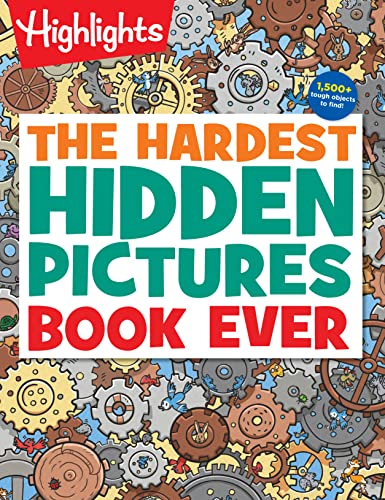
 The Hardest Hidden Pictures Book Ever: Ultra-Challenging Brain Games for Kids Ag...
 Scholastic Flash Cards: Sight Words




 Carson Dellosa 54 Time and Money Flash Cards, Flashcards With Counting Currency ...
 303 Kid-Approved Exercises and Active Games (SmartFun Activity Books)
 Mrs Wordsmith Phonics Blah Blah Blah Card Game, Kindergarten & Grades 1-2: A...


