Margaret is a homeschool veteran who explains why traditional schooling was never an option for her children. Margaret’s narrative documents the complexity of being a single Black mother and choosing to live in a low-income housing community, and not working full-time in order to fulfill her rights as a mother to do what she determined would be best for her children. Her account also demonstrates the role of faith, spirituality, and the complexity of building a curriculum to meet her children’s needs.
Afrocentric Homeschoolers Association Email Group is a discussion group for pro-Black African and/or African Diasporan, Black homeschoolers, unschoolers, deschoolers, and home-based educators everywhere. It is also open to non-homeschoolers and non-Blacks who are trying to teach their children about Blacks. It was founded as a resource for Black homeschoolers, Blacks in Canada, the U.S., Caribbean, and elsewhere, including the African Canadian, African American, African Caribbean, Black European, African, and Black Canadian.
This youtube video gives a look into a large successful homeschooling family. This African-American family of seven children has had all children go to college, starting while still in high school.
Brown Sugar & Spice Books carries African-American children's books, multicultural books, and black history books for adults and children.
Anecdotal evidence seems to indicate that homeschooling is growing in the black community. Mike Smith of the Home School Legal Defense Association discusses this with Joyce Burges, co-founder of the National Black Home Educators Resource Association.
The National African-American Homeschoolers Alliance was born out of a desire to unite African-American homeschoolers nationally. Launched in January 2003, NAAHA is the only nonsectarian organization for African-American home schooling families. The primary objective of NAAHA is to disseminate home schooling information relevant to African-American homeschoolers or to anyone home schooling African-American children. NAAHA's fundamental mission is to consistently provide the latest and the best home school information and resources for members and online guests to enjoy--from home schooling books and curricula to new African-American support groups and organizations. In addition to being an information clearinghouse, NAAHA also provides free educational advisory help from educational professionals and from those with a degreed knowledge of a particular subject.
Significant growth in black families’ participation in home schooling is beginning to show up on the radar screens of researchers. The National Center for Education Statistics computed African-Americans as 9.9 percent of the 850,000 children the federal agency figured were being home-schooled nationally in 1999. Veteran home-schooling researcher Brian Ray figures blacks are currently about 5 percent of the 1.6 million to 2 million home-schooled children but he agrees that black home schooling is growing rapidly.
African-Americans are joining the national home schooling community at larger and larger numbers every year. Following a nationwide trend, educating children at home is becoming a popular option for Black Americans as private school costs rise and the reputation of public schools grows worse. Read about the current movement of African-American homeschoolers.
In order for home schooling to be successful in the African-American community, it is imperative that local and state support groups and organizations be formed. There are several ways that African-American homeschoolers can reach out and create support groups either on the local or state level. This article gives tips and ideas for starting a homeschool support group.
With the educational landscape becoming more diverse in America, black parents are looking for better ways in which to teach their children. One of the new educational alternatives and the only one thus far exhibiting parity between the races is home schooling. Though many blacks are embarking on home schooling as a new educational choice, many don't fully know why home education tends to work for black children. This article will piece together clues that account for black children's affinity for learning at home.
A look at unschooling as a philosophy of life from an African-American perspective.
Footsteps Magazine is a magazine designed for young people, their parents, and other individuals interested in discovering the scope, substance, and many often unheralded facts of African American heritage. It is an excellent classroom resource for teachers, a valuable research tool for students, and an important vehicle for bringing this rich heritage to people of all backgrounds.
Black parents are now turning to homeschooling their children. After realizing that public schools are failing black children on a massive scale, black parents are turning to homeschooling. This video discusses these issues.
This is a Yahoo group email list for African American parent(s) who homeschool their children.
Part two of a youtube video discussing various African-centered resources for homeschoolers.
In the past couple of years the news has been inundated with national, international and local articles reporting the dramatic rise of homeschooling in the African-American community. Although we often get statistics about Black homeschoolers, we rarely get a glimpse of real families. This article takes you into the lives of Black homeschooling families who are taking their children's education into their own hands.
Great youtube video discussing various African-centered resources for homeschoolers.
Creating a web presence of African-American home school support groups will do much to organize and network families across the country and internationally. This article the basics for creating a personal home schooling website or site for a home school support group or organization.
Black Alliance for Educational Options (BAEO) exists to educate and inform the general public about parental choice initiatives on the local and national level; educate Black families about the numerous educational options available; create, promote and support efforts to empower Black parents to exercise choice in determining how their children are educated; and educate and inform the general public about efforts to reduce or limit educational options available to parents.
This group is for African American parents (or parents of African American children) who are homeschooling their children. It is also for parents looking to supplement their children's education with home study.
 Ty's Travels: Lab Magic (My First I Can Read)
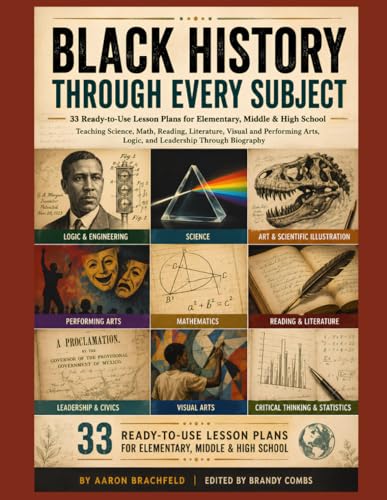
 Black History Through Every Subject: 33 Ready-to-Use Lesson Plans for Elementary...
 Black Heroes: A Black History Book for Kids: 51 Inspiring People from Ancient Af...
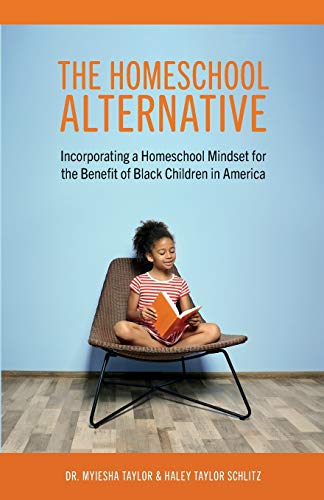
 The Homeschool Alternative: Incorporating a Homeschool Mindset for the Benefit o...
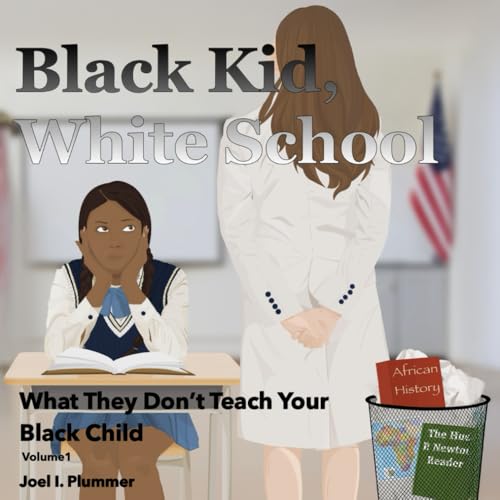
 Black Kid, White School: What They Don’t Teach Your Black Child: Volume 1
 A Guide to Homeschool Foundational Black American Children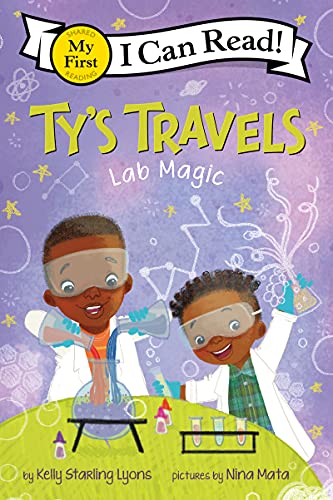



 Soul School: Taking Kids on a Joy-Filled Journey Through the Heart of Black Amer...


