This webpage was created at the request of parents, for the purpose of communication between, and with, families who are using Montessori philosophy, practice, materials, to homeschool their children.
This email group benefits all types of homeschoolers, but especially Charlotte Mason, Ruth Beechick, eclectic, relaxed homeschoolers, notebookers, etc. As a member of this group you'll receive a bi-monthly newsletter of tips for nature notebooks, encouragement, living book reviews and experiences. This is not a discussion list, but a newsletter.
This group is intended for the discussion of the philosophies, themes, and methods of classical education. Discuss the theories of classical educators such as Erasmus, Plutarch, Quintilian, Milton, Sayers, David Hicks, Ruth Beechick, Charlotte Mason, Laura Berquist, Jessie Wise and Susan Wise-Bauer, the Bluedorns, and others. Discuss books and syllabi on classical education.
“How do I get the home school curriculum?” and “How much will it cost me?” are common questions. Curriculum, or the schooling materials and books, can be purchased, (new or used), rented, or designed on your own. Here are a few places for each option.
With the accelerating media interest in homeschooling, chances are increasing that you will receive a request to speak with a reporter for a magazine or newspaper article, a television or radio program. What will you do? You could say "no," and leave it up to someone else. That would be the simple and easy response. Or, you could say "yes," and find yourself at the start of a new and educational experience.
Sometimes, socializing is hard work, especially for those of us who have a shy kid—and if statistics are accurate, nearly half of Americans call themselves “shy.” For those of us homeschooling introverted kids, there is a temptation to just let it go. It would be so much easier to just stay at home, curled up on the couch, than to watch our shy kid suffer or to feel compelled to make apologies for our shy kid. This article offers strategies and ideas about how to have homeschooling success with a quiet introverted child.
 Ignite the Organizer in Your Child: Developing the Life Skills Required to Thriv...
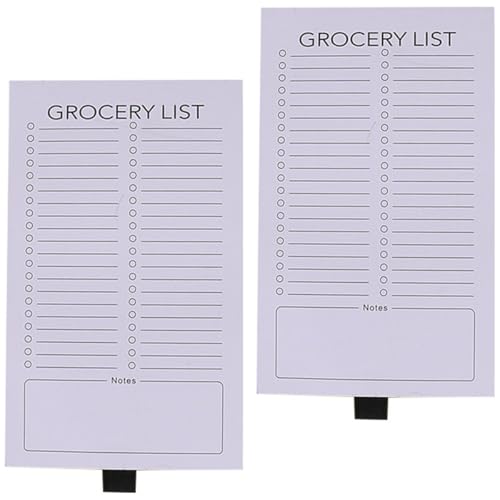
 Holibanna Magnetic Notepads for Refrigerator 2pcs Grocery List Pad with Magnet, ...
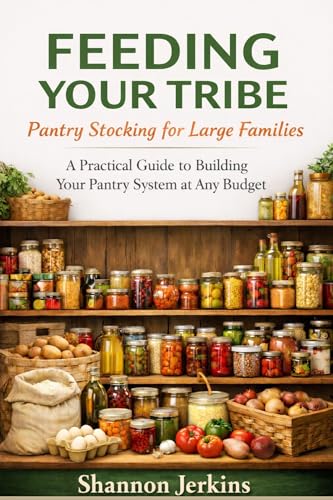
 FEEDING YOUR TRIBE: PANTRY STOCKING FOR LARGE FAMILIES: A Practical Guide to Bui...
 Meal Planner: Plan Your Meals Weekly (52 Week Meal Planner) Includes Bi-Weekly K...


 Sourcebooks 2023 Amy Knapp's Family Organizer: 17-Month Weekly Mom Planner ...
 2024 Amy Knapp's Big Grid Family Organizer Wall Calendar: 17-Month Giant Fr...
 Adult Life Skills for Older Teens - Home: Learn to Cook, Maintain a Home, Rentin...

